
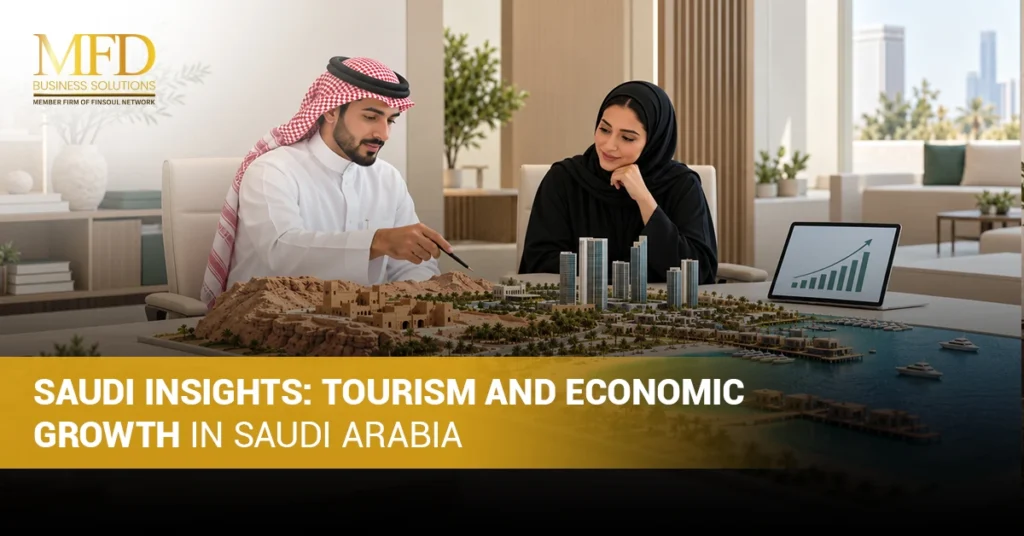
Saudi Arabia is transforming its tourism sector into an important driver of economic diversification, business development, and employment. From the historical districts of Diriyah and Al-Balad to the cultural landscapes of AlUla and the modern entertainment destinations of Riyadh, the Kingdom is expanding its appeal to domestic and international visitors.
Tourism and Economic Growth in Saudi Arabia are closely connected through investments in hospitality, transport, cultural attractions, entertainment, and visitor services. These developments are creating opportunities for established companies, local entrepreneurs, and investors while supporting the Kingdom’s long-term economic ambitions.
Under Saudi Vision 2030, the government is working to diversify revenue sources beyond oil and strengthen the private sector. As Saudi Tourism continues to develop, businesses across different industries can benefit from new customer demand, expanding infrastructure, and a growing range of tourism experiences.
At MFD Services, understanding these developments means looking beyond visitor numbers to examine the commercial opportunities, operational requirements, and local market conditions shaping Saudi Arabia’s business environment.
Why Tourism Is a Priority Under Saudi Vision 2030
For decades, oil has played a central role in the Kingdom’s economic development. Economic diversification is now a major national priority, with tourism offering opportunities to expand non-oil activities and encourage private-sector participation.
Saudi Vision 2030 supports tourism through destination development, improved transport connections, cultural initiatives, hospitality investment, and services designed to improve the visitor experience. These efforts aim to make the Kingdom an attractive destination for leisure travellers, religious visitors, business travellers, and international investors.
The country also offers a diverse range of experiences. Makkah and Madinah remain central to religious tourism, while Diriyah showcases Saudi heritage, AlUla highlights archaeological and cultural attractions, and Riyadh attracts visitors through business events, entertainment, and hospitality.
This diversity explains why Tourism and Economic Growth in Saudi Arabia matter to businesses beyond the traditional travel industry. Tourism-related spending can support accommodation providers, restaurants, transport operators, retailers, event organisers, and professional service companies.
How Saudi Tourism Is Creating Business Opportunities
The expansion of Saudi Tourism is influencing commercial activity across the Kingdom. As destinations develop and visitor experiences become more varied, businesses have opportunities to serve different customer groups and participate in the growing visitor economy.
Riyadh: Business, Entertainment, and Hospitality
Riyadh is a major centre for corporate events, conferences, entertainment, shopping, and hospitality. Its role as the Kingdom’s capital creates demand for business accommodation, event management, catering, transport, and other professional services.
Companies operating in these sectors can explore opportunities linked to conferences, seasonal events, corporate travel, and visitor services. However, commercial success depends on understanding customer demand, operating costs, competition, and applicable licensing requirements.
Jeddah: Coastal Experiences and Cultural Heritage
Jeddah combines Red Sea coastal attractions with shopping, hospitality, dining, and historic sites such as Al-Balad. Its location and range of visitor experiences create opportunities for accommodation providers, tour operators, restaurants, and businesses serving leisure and business travellers.
Local businesses can also develop services around cultural experiences, guided visits, transport, and food offerings that reflect the city’s character.
AlUla and Diriyah: Heritage and Cultural Experiences
AlUla is known for its archaeological heritage, distinctive landscapes, and cultural attractions. Diriyah offers opportunities connected to Saudi history, heritage tourism, dining, and cultural experiences.
These destinations demonstrate how heritage and local identity can become part of a broader tourism offering. Businesses that understand visitor expectations and provide reliable, high-quality services can participate in this development.
Tourism’s Contribution to the Saudi Economy
The relationship between tourism and the Saudi Economy extends beyond hotel bookings and visitor spending. Tourism can support employment, encourage investment, create demand for local suppliers, and stimulate economic activity across different regions.
Employment and Workforce Development
Hotels, restaurants, attractions, travel companies, and event venues require employees across customer service, operations, management, marketing, and specialist roles.
Tourism expansion can create employment opportunities for Saudi nationals and increase demand for professional training in hospitality, tourism management, customer experience, and related services. Workforce development is therefore important for maintaining service quality as the industry grows.
Opportunities for Small and Medium-Sized Enterprises
Small and medium-sized enterprises can participate in the tourism supply chain through transport services, cafés, restaurants, retail, guided tours, event support, and locally produced goods.
For example, a local business in Jeddah may serve visitors exploring Al-Balad, while a service provider in AlUla may develop guided experiences or transport solutions. These opportunities can help smaller companies reach new customers and diversify their revenue sources.
Private-Sector Investment
Tourism development creates potential investment opportunities in accommodation, recreation, food and beverage, technology, travel services, and destination management.
Businesses considering entry or expansion should assess local demand, operating expenses, competition, financing requirements, and relevant regulations before committing capital. Opportunities can vary significantly between destinations and project types.
Economic Diversification Beyond Oil
Tourism supports activity in sectors such as construction, logistics, retail, professional services, and education. This interconnected demand can help broaden the Kingdom’s economic base and encourage the development of new business capabilities.
Understanding Tourism and Economic Growth in Saudi Arabia therefore requires examining both direct tourism activity and its wider influence on suppliers, employees, and service industries.
Key Areas of Tourism’s Economic Impact
| Area | Potential impact on Saudi Arabia |
| Economic diversification | Supports non-oil business activity and revenue sources |
| Employment | Creates demand for hospitality and visitor-service professionals |
| Local businesses | Opens opportunities for SMEs and destination-based enterprises |
| Infrastructure | Encourages development of transport and visitor facilities |
| Private investment | Creates opportunities across hospitality and tourism services |
| Regional development | Supports destinations beyond the Kingdom’s largest cities |
The scale of these benefits depends on visitor demand, the quality of tourism services, investment decisions, and the ability of businesses to operate sustainably.
The Role of Vision 2030 in Tourism Development
Saudi Vision 2030 provides the strategic framework for developing tourism as part of a more diversified and competitive economy. Its tourism ambitions include expanding the range of destinations, improving visitor experiences, developing skills, and encouraging private-sector participation.
Government initiatives and investment in destinations, infrastructure, cultural attractions, and events are helping shape the sector. These developments can create opportunities for hospitality providers, transport operators, technology companies, event organisers, and other businesses serving visitors.
For companies operating in the Kingdom, Tourism and Economic Growth in Saudi Arabia offer a reason to examine changing customer needs and emerging commercial opportunities. However, businesses should avoid assuming that every destination or tourism project will deliver the same results.
Market research, realistic financial planning, regulatory compliance, and an understanding of local business practices remain essential when assessing opportunities.
Challenges Facing Tourism Growth in Saudi Arabia
Although tourism offers considerable potential, long-term development requires careful planning and effective management.
Infrastructure and service capacity: Destinations need suitable accommodation, transport connections, utilities, and visitor facilities to manage demand, particularly during major events and busy travel periods.
Workforce development: Businesses require trained employees who can deliver consistent service and meet the expectations of domestic and international visitors.
Seasonality and demand: Visitor numbers and spending can vary by destination, event schedule, and time of year. Businesses should plan operations around realistic demand forecasts.
Environmental sustainability: Water consumption, energy use, waste management, and high summer temperatures need to be considered when planning tourism facilities and outdoor experiences.
Competition and operating costs: Market growth can attract new competitors and increase demand for suitable locations, employees, and suppliers. Businesses need clear positioning and efficient operations to remain competitive.
Addressing these challenges can help tourism businesses build resilient operations while supporting the Kingdom’s broader development objectives.
What Businesses Should Watch in Saudi Arabia’s Tourism Market
Companies and investors assessing Saudi Tourism should look beyond headline visitor figures. Understanding commercial performance requires examining accommodation demand, visitor spending, destination development, workforce availability, operating costs, and the growth of supporting services.
Businesses should also consider the differences between local markets. Riyadh has significant business and entertainment activity, Jeddah offers coastal and urban experiences, AlUla focuses on heritage and cultural attractions, and Makkah and Madinah serve important religious travel needs.
These differences influence customer expectations, service requirements, and potential business models.
For companies considering expansion, local market research can help identify suitable customer segments, assess licensing and operational requirements, and develop realistic financial projections. Partnerships with reliable local suppliers and service providers may also help businesses understand the market and deliver services effectively.
How Tourism Supports the Saudi Economy
The contribution of tourism to the Saudi Economy is linked to how visitor demand translates into business activity, employment, investment, and wider economic participation.
When visitors spend money on accommodation, dining, transport, shopping, and experiences, tourism businesses generate revenue and purchase goods and services from suppliers. This creates potential benefits across the supply chain, although the extent of the impact varies by destination and business model.
Tourism can also encourage investment in infrastructure and professional services, while creating opportunities for local entrepreneurs to develop products and experiences that meet visitor needs.
For these benefits to continue, businesses need to maintain service quality, manage costs, understand customer expectations, and comply with relevant Saudi regulations. Sustainable growth depends on more than attracting visitors; it also requires effective planning and commercially viable operations.
How Saudi Arabia’s Tourism Image Is Evolving
Saudi Arabia is presenting a broader range of experiences to domestic and international travellers. These include Islamic heritage, historic districts, cultural events, natural landscapes, coastal destinations, entertainment, and modern hospitality.
Official platforms such as Visit Saudi help travellers explore destinations, events, and travel experiences across the Kingdom. Greater awareness can encourage interest from visitors, tour operators, and hospitality businesses.
However, destination promotion needs to be supported by accessible information, reliable transport, quality services, and experiences that meet visitor expectations. Local culture and heritage also remain important elements in developing distinctive tourism offerings.
For businesses, this evolving image creates opportunities to develop services that reflect the needs of different visitor groups while respecting local customs and regulations.
Conclusion
Tourism and Economic Growth in Saudi Arabia represent an important part of the Kingdom’s strategy to diversify economic activity, strengthen private-sector participation, and develop destinations for domestic and international visitors.
Through Saudi Vision 2030, the Kingdom is investing in tourism infrastructure, hospitality, cultural attractions, and visitor services. These developments can support employment, create opportunities for small and medium-sized enterprises, and encourage investment across related industries.
For businesses and investors, success requires a destination-specific approach, reliable market research, realistic financial planning, and a clear understanding of local customer needs and regulatory requirements.
MFD Services recognises the importance of understanding Saudi Arabia’s evolving business environment. As tourism develops, informed decision-making and careful assessment of commercial opportunities will remain essential to building sustainable business operations in the Kingdom.
Frequently Asked Questions
How Does Tourism Contribute to Economic Growth in Saudi Arabia?
Tourism supports economic diversification by creating demand for accommodation, transport, restaurants, retail, entertainment, and professional services. It can also encourage investment, create employment opportunities, and support local businesses under Saudi Vision 2030.
How Is Saudi Vision 2030 Transforming the Tourism Sector?
Saudi Vision 2030 provides a framework for expanding destinations, improving visitor services, developing tourism infrastructure, and encouraging private-sector investment. These initiatives aim to strengthen tourism as part of the Kingdom’s wider economic diversification strategy.
Which Destinations Are Important for Tourism in Saudi Arabia?
Riyadh is known for business events and entertainment, Jeddah offers coastal experiences and cultural heritage, and AlUla attracts visitors through archaeology and distinctive landscapes. Diriyah, Makkah, and Madinah also contribute through heritage and religious tourism.
How Can Local Businesses Benefit from Tourism Growth?
Local businesses can provide accommodation, transport, dining, guided tours, retail products, event services, and other visitor-related offerings. Understanding customer needs and maintaining reliable service can help businesses identify suitable opportunities.
What Challenges Could Affect Tourism Growth in Saudi Arabia?
Infrastructure capacity, workforce development, seasonal demand, operating costs, competition, and environmental sustainability can influence long-term performance. Businesses should assess these factors carefully when planning investments or expanding tourism-related services.